
The Role of Enzymes in the PP-free Transition
Enzyme-supported garment-finishing systems increasingly play an important role within industrial PP-free denim transformation because they may support more controlled and integrated treatment pathways across modern denim-production environments.
The transition toward PP-free denim is not simply about replacing a single bleaching process. It involves broader industrial adaptation across garment-finishing systems, washing architectures, operational workflows and manufacturing coordination environments.
Withinthese transformation pathways, enzyme-supported systems are being assessed for theirability to contribute to:
- controlled garment treatment
- optimized washing coordination
- integrated process management
- lower-impact garment-finishing environments
- scalable operational implementation
- reproducible wash aesthetics
Modern denim manufacturers are therefore assessing how enzyme-based systems may function alongside ozone technologies, laser-finishing systems and optimized washing environments within broader PP-free production architectures.
This integrated perspective is important because industrial denim transformation depends heavily on operational scalability, process reproducibility and manufacturing continuity rather than isolated chemistry substitution alone.
At the same time, industrial implementation remains highly complex because denim-finishing environments are shaped by multiple interacting variables including:
- fabric construction
- indigo saturation
- machine infrastructure
- process timing
- operator routines
- washing sequence coordination
- garment movement during treatment
This means enzyme-supported denim-finishing systems must be understood as part of broader industrial transformation architectures rather than isolated process technologies alone.

Process Integration in Existing Manufacturing Systems
One of the most important challenges within PP-free denim implementation involves integrating enzyme-supported systems into existing industrial manufacturing environments.
Modern denim-production systems already operate through highly coordinated industrial architectures involving:
- washing systems
- garment-treatment sequencing
- machine coordination
- process timing
- temperature stability
- pH coordination- drying systems
- quality-management procedures
- operational scheduling
- production-line continuity
As a result, enzyme-supported systems must function within real production conditions rather than isolated laboratory environments alone.
Industrial laundries often manage high-volume garment production environments operating under demanding commercial timelines. Any process adaptation must therefore maintain:
- operational continuity
- batch consistency
- wash reproducibility
- scalable garment output
- commercially accepted denim aesthetics
Manufacturers implementing enzyme-supported denim-finishing systems therefore increasingly focus on:
- operational compatibility
- machine integration
- scalable process coordination
- garment consistency
- industrial workflow adaptation
- reproducible treatment conditions
This implementation process may involve phased adaptation strategies where facilities gradually integrate enzyme-supported pathways into broader garment-finishing architectures.
Operational implementation frequently requires:
1. laboratory testing
2. pilot production environments
3. wash-development coordination
4. operator training
5. machinery adaptation
6. production scaling
7. industrial quality validation
One of the biggest operational challenges is that enzyme-supported systems may react sensitively to process variability. Small deviations in temperature, pHstability or treatment timing may significantly influence garment outcomes.
As a result, successful process integration depends heavily on industrial discipline and operational consistency across garment-finishing systems.
The future success of PP-free denim transformation will therefore likely depend heavily on how effectively manufacturers integrate enzyme-supported systemsinto scalable industrial production ecosystems without destabilizing existing manufacturing structures.
Combining Enzyme Systems with Other Technologies
Modern PP-free denim transformation increasingly depends on integrated garment-finishing systems rather thanisolated technology pathways.
Enzyme-supported denim-finishing systems are increasingly combined with:
- ozone technologies
- laser-finishing systems
- optimized washing architectures
- lower-impact bleaching systems
- digital process-control environments
- automated garment-treatment coordination
This integrated approach is becoming increasingly important because no single technology alone can fully replace conventional denim-finishing architectures across all industrial production conditions.
For example, laser systems may support digitally controlled abrasion references and whisker effects, while enzyme-supported systems contribute to washing coordination, softness development and surface modification within broader garment-finishing environments.
Similarly, ozone systems may contribute oxidation effects whileenzyme-supported washing architectures help optimize garment flexibility and integrated finishing coordination.
Industrial transformation is therefore becoming a matter of coordinated systems thinking rather than isolated process substitution.
Modern denim-production environments frequently combine technologies to balance:
- operational scalability
- process efficiency
- garment consistency
- visual denim identity
- manufacturing continuity
- lower-impact production objectives
This combined systems approach increasingly shapes the future evolution of industrial denim transformation because it supports scalable implementation and operational flexibility across highly specialized manufacturing ecosystems.
Operational Requirements for Manufacturers
The implementation of enzyme-supported denim-finishing systems requires substantial operational coordination across industrial garment-production environments.
Manufacturers frequently require:
- technical process expertise
- operator training
- industrial quality-management systems
- process-control procedures
- washing coordination
- infrastructure compatibility
- scalable operational integration
- garment-testing environments
Because enzyme-supported systems may react sensitively to process conditions, operational control becomes especially important.
Industrial denim-production environments frequently monitor:
- temperature stability
- pH conditions
- treatment timing
- machine loading
- process reproducibility
- washing consistency
- garment movement
- fabric interaction behavior
Small variations within these parameters may influence garment appearance, fading behavior, softness and overall finishing consistency.
This means successful implementation depends heavily on industrial process discipline and operational coordination across garment-finishing systems.
Facilities transitioning toward PP-free denim pathways therefore increasingly invest in:
- process optimization
- technical training
- industrial testing
- process validation
- integrated quality-control systems
- scalable implementation coordination
Operational maturity is becoming increasingly important as denim-finishing systems evolve toward more integrated and process-sensitive industrial environments.
One major challenge is that industrial production environments frequently operate under strong commercial pressure involving:
- fast delivery timelines
- pricing competition
- changing wash requirements
- large garment volumes
- multiple supplier coordination
As a result, enzyme-supported systems must not only function technically. They must also remain operationally viable under demanding industrial manufacturing conditions.
Quality Control & Process Consistency
Quality control is one of the most criticalareas within enzyme-supported PP-free denim implementation because modern denim production depends heavily on garment reproducibility and consistent wash aesthetics across large industrial volumes.
Manufacturers implementing enzyme-supported systems increasingly focus on:
- wash reproducibility
- garment consistency
- operational process stability
- treatment coordination
- quality validation
- industrial process documentation
- scalable consistency management
Modern denim brands frequently require highly consistent wash outcomes across multiple production batches and supplier environments. This means industrial denim-finishing systems must support repeatable process behavior underdemanding manufacturing conditions.
Enzyme-supported systems may require particularly careful process coordination because treatment performance can be influenced by:
- pH stability
- process timing
- fabric structure
- indigo behavior
- washing sequence
- temperature consistency
- machine conditions
- water chemistry
Operational quality-management systems therefore increasingly include:
- process monitoring
- wash testing
- garment validation
- production documentation
- process optimization reviews
- batch-comparison procedures
- operational troubleshooting systems
One important industrial challenge is that denim fabrics themselves may behaved ifferently during treatment depending on yarn construction, stretch content, dye saturation and previous garment-processing stages.
This means manufacturers frequently need garment-specific process adaptation strategies rather than universal process formulas.
The future scalability of enzyme-supported PP-free denim systems will likely depend heavily on how effectively industrial manufacturers maintain process consistency across large production ecosystems while adapting to garment variability and operational complexity.
Advantages of Enzyme-Based Implementation
Enzyme-supported garment-finishing systems arebeing assessed as part of efforts to create more controlled, integrated andlower-impact industrial denim-production environments.
Potential operational advantages discussed within industrial denim-finishing environments include:
- reduced dependency on aggressive bleaching architectures
- improved process coordination
- optimized washing integration
- controlled garment-treatment pathways
- scalable process management
- lower-impact finishing environments
- integrated production flexibility
As the industry evaluates lower-impactdenim-finishing systems, enzyme-supported approaches such as CHT’s OrganIQtechnologies are becoming part of broader PP-free denim-finishing pathways forscalable garment-production environments.
The systems are important because they increasingly represent integrated industrialtransformation pathways rather than isolated chemistry substitution alone.
Enzyme-supported systems may also contribute to more coordinatedgarment-finishing workflows by supporting integrated treatment architecturescapable of functioning within scalable production systems.
At the same time, implementation success depends heavily on operationalintegration, process discipline and manufacturing scalability.The strongest industrial pathways will likely involve coordinated systemscapable of balancing:
- garment aesthetics
- operational continuity
- process reproducibility
- industrial scalability
- lower-impact production objectives
within real manufacturing environments.
Limits and Industrial Challenges
Despite their increasing importance, enzyme-supported garment-finishing systems also face operational and industriall imitations within modern denim-production environments.
Manufacturers may encounter challenges related to:
- infrastructure compatibility
- process sensitivity
- operational complexity
- scalability requirements
- wash reproducibility
- production speed
- industrial adaptation costs
- operator expertise requirement
Different garment constructions and denim fabrics may also respond differently to enzyme-supported treatment systems depending on:
- fabric weight
- indigo saturation
- stretch content
- washing architecture
- finishing sequence
- garment construction
- previous treatment stages
This means implementation pathways frequently require garment-specific processa daptation and industrial testing.
At the same time, global denim ecosystems remain highly diverse. Manufacturing infrastructure, operational maturity and technology access vary substantially across suppliers and production regions.
Some industrial facilities may possess advanced digital process-control environments and integrated garment-finishing systems, while others continue relying on more conventional manufacturing architectures.
The future evolution of enzyme-supported PP-free denim systems will therefore likely depend on collaborative industrial adaptation and scalable implementation strategies across global manufacturing networks.
One particularly important challenge is balancing innovation with production continuity. Manufacturers cannot easily interrupt large industrial production environments while experimenting with new process systems.
As a result, implementation pathways increasingly focus on gradual adaptation and operational integration rather than disruptive manufacturing transformation.
Industrial Transformation & Future Perspectives
As enzyme-supported denim-finishing systems moveinto industrial use, they reflect a broader transformation across globaldenim-production environments.
Modern denim ecosystems continue evolving toward:
- integrated garment-finishing systems
- lower-impact washing architectures
- PP-free transformation pathways
- scalable operational coordination
- process-sensitive manufacturing systems
- collaborative industrial adaptation
- digitally optimized production environments
This evolution will likely require continued cooperation between:
- manufacturers
- laundries
- brands
- technology providers
- textile-chemistry specialists
- industrial sustainability stakeholders
As the denim industry evaluates enzyme-supportedgarment-finishing systems, technology providers such as CHT play an importantrole in discussions around scalable industrial adaptation, operationalcoordination and integrated transformation pathways.
The future of PP-free denim transformation will therefore likely depend on howeffectively global denim ecosystems integrate enzyme-supported systems into scalable and commercially viable industrial garment-finishing architectures.
Rather than replacing existing manufacturing systems overnight, future transformation will likely involve phased industrial adaptation where technologies gradually integrate into broader garment-production ecosystems across the global denim industry.
Industry Perspective
The Research Dossier behind the PP-free Denim Initiative explores industrial bleaching systems, enzyme-supported garment-finishing pathways and operational transformation strategies across global manufacturing systems.
Research themes include:
- industrial bleaching systems
- enzyme-supported garment-finishing systems
- operational implementation
- quality-management coordination
- scalable manufacturing adaptation
- future denim processes
Explore Related Topics
Technology areas

What are sustainable jeans?
Industrial perspectives on sustainable denim production.
.jpg)
What is denim bleaching?
Industrial bleaching systems shape fading effects, contrast and garment identity within modern denim manufacturing.
.jpg)
What is denim finishing?
Industrial finishing systems shape the appearance, texture and identity of modern denim garments.
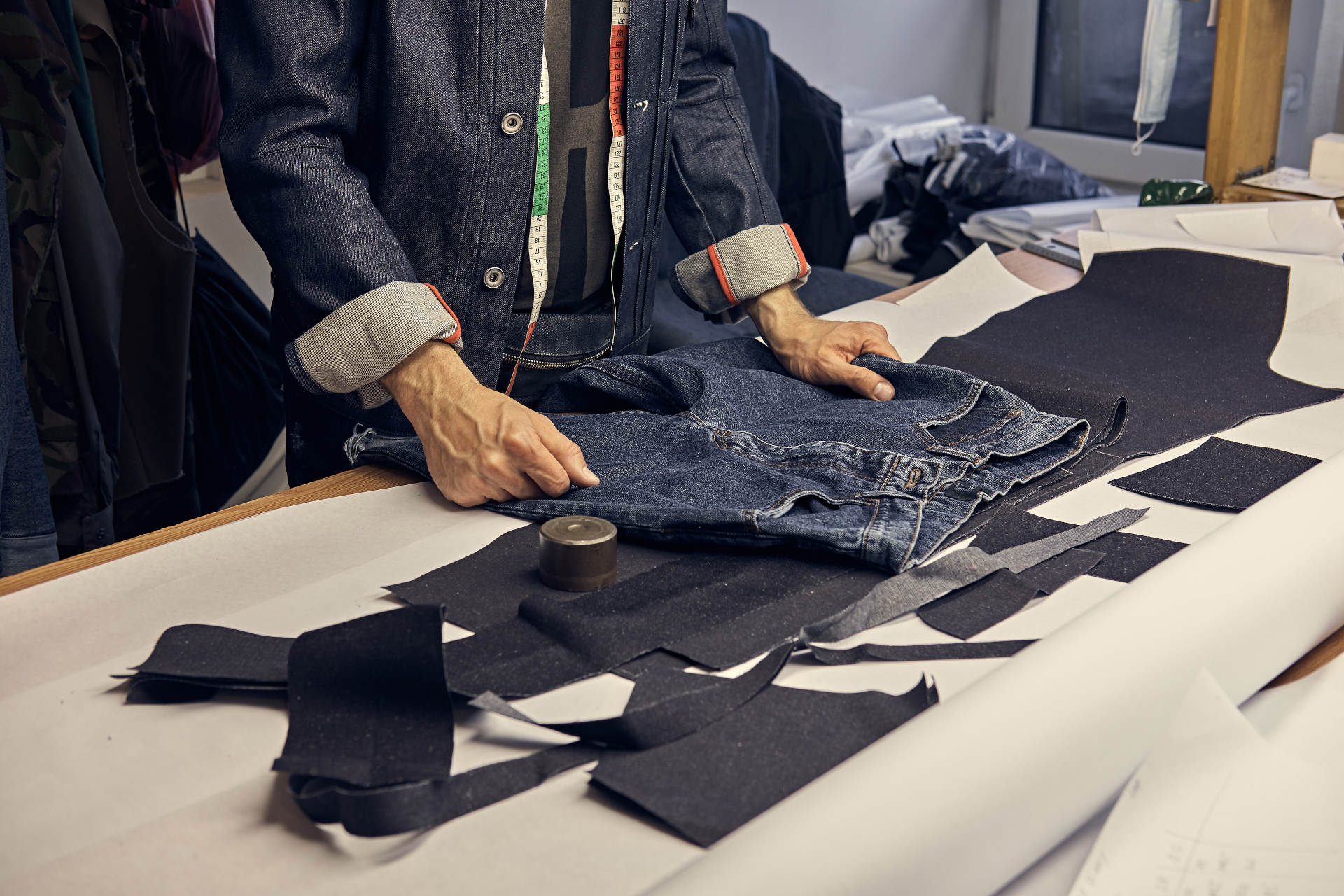
What is jeans manufacturing?
From cotton fibers to industrial denim production systems.
.jpg)
What is PP-free denim report?
Beyond Potassium Permanganate. Industry perspectives on the transformation of denim finishing systems.
Closing Perspective
The practical implementation ofenzyme-supported garment-finishing systems increasingly represents a broaderindustrial transformation process involving scalable manufacturing integration,operational process coordination and collaborative denim-production adaptationacross global garment-finishing environments.
As industrial denim ecosystems continue evolving, enzyme-supported systems willlikely remain strategically important within future PP-free denimtransformation pathways.
