
What is jeans manufacturing?
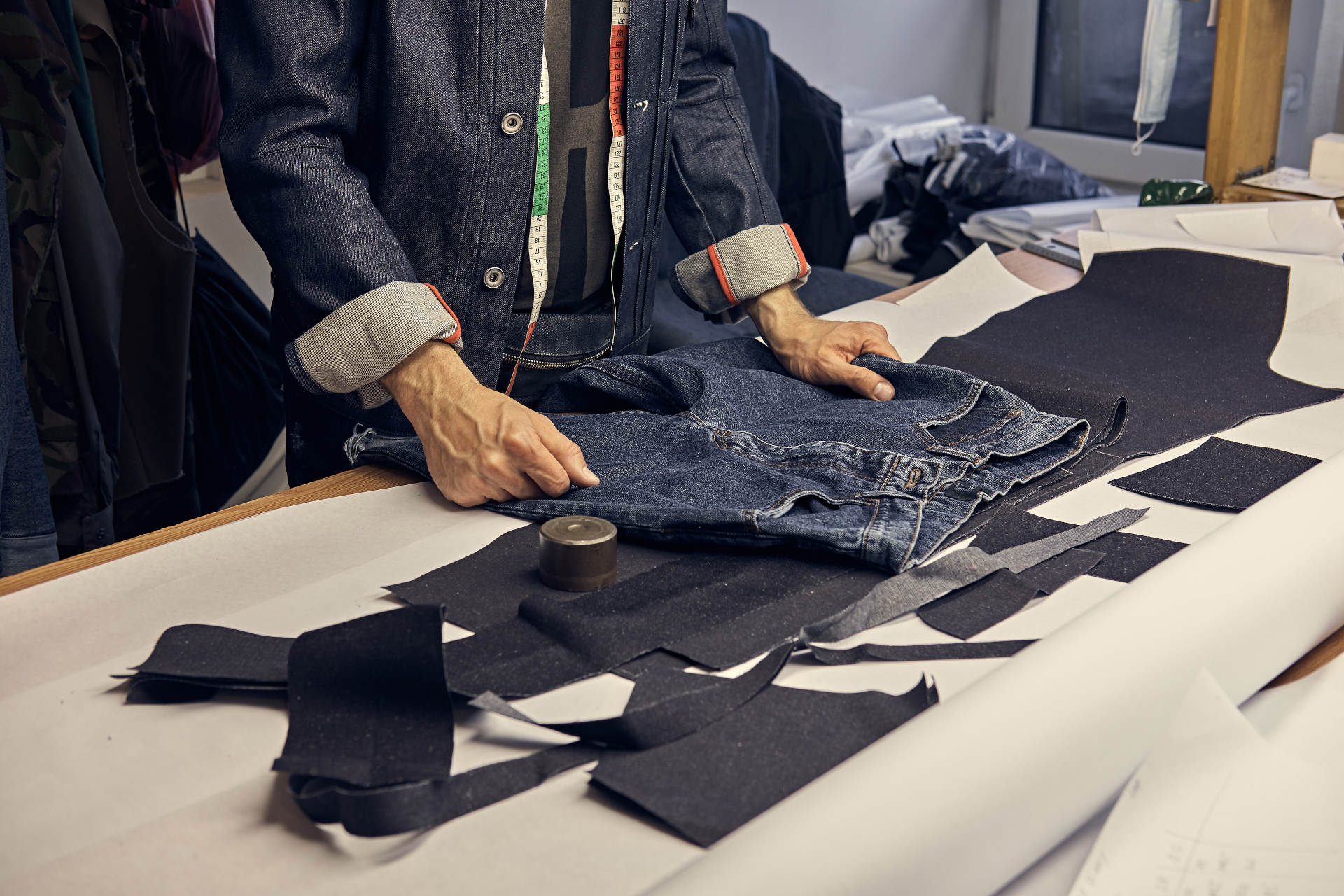
Jeans manufacturing is a highly coordinated industrial process that transforms raw textile fibers into finished denim garments through multiple interconnected production stages. Modern jeans production involves agricultural raw materials, textile manufacturing, fabric engineering, garment assembly, industrial finishing systems and global supply-chain coordination operating across highly specialized production environments.
Although denim garments are often associated with fashion culture and casualwear, industrial denim production is shaped by complex manufacturing systems designed for scalability, operational consistency and large-volume garment output. Modern denim manufacturing environments frequently involve textile mills, spinning facilities, dyeing operations, garment factories, industrial washing systems and international sourcing structures working together across global production networks.
The manufacturing of jeans begins long before a finished garment reaches retail environments. Raw fibers must first be processed into yarns suitable for denim weaving. These yarns are then dyed, woven into denim fabric and transformed into garments through industrial cutting and sewing systems. After that garment assembly, denim finishing and bleaching processes create the visual identity commonly associated with modern jeans products.
Today, jeans production systems operate across interconnected international manufacturing ecosystems involving cotton suppliers, textile manufacturers, garment producers, chemical suppliers, logistics providers, brands and retail structures. Because of this complexity, the jeans manufacturing process depends on operational coordination and industrial scalability across multiple production stages.
At the same time, denim manufacturing continues evolving in response to changing market expectations, environmental standards, process innovation and industrial transformation initiatives influencing textile production worldwide. This broader industrial evolution shapes how denim products are manufactured within modern garment-production systems.
Cotton, Fibers & Raw Materials
The material foundation of denim manufacturing.
The production of jeans begins with raw materials. Cotton remains the most widely used fiber in denim manufacturing because of its durability, softness and compatibility with industrial dyeing and weaving systems. Different cotton qualities influence denim texture, strength, dye absorption and long-term garment performance.
Cotton fibers used in denim production are harvested, cleaned and processed before entering spinning systems where they are transformed into yarns suitable for industrial weaving. Fiber length, consistency and cleanliness play an important role because yarn quality directly influences weaving behavior, fabric durability and denim appearance.
In addition to conventional cotton, modern denim manufacturing may also involve blended fibers and alternative textile materials designed to improve garment flexibility, durability or production performance. Some denim fabrics include elastane, recycled fibers or synthetic materials depending on the intended garment characteristics and manufacturing objectives.
Raw-material sourcing also influences industrial production behavior across denim manufacturing systems. Textile mills and garment producers often work with highly coordinated supply-chain structures involving fiber suppliers, spinning operations and weaving facilities across multiple production regions. Because denim production operates at industrial scale, raw-material consistency becomes essential for maintaining stable fabric quality across large-volume manufacturing environments.
The relationship between raw materials and denim quality extends beyond fiber composition. Different cotton-processing systems influence yarn behavior during spinning, dyeing and weaving stages. Industrial textile manufacturing therefore depends heavily on material coordination across interconnected production systems.
Within global denim production environments, raw-material sourcing increasingly interacts with broader discussions surrounding manufacturing transparency, supply-chain traceability and industrial sustainability standards. Although the primary focus of jeans manufacturing remains on operational production efficiency, material systems continue shaping how denim products are developed across modern textile industries.
Denim Fabric Production
How denim fabric is manufactured.
After raw fibers are processed into yarns, denim fabric production begins through spinning, dyeing and weaving operations forming the industrial basis of jeans manufacturing. This stage represents one of the most technically important parts of the denim manufacturing process because fabric construction directly influences garment durability, texture and visual appearance.
Yarn spinning systems transform processed cotton fibers into continuous yarn structures suitable for industrial textile production. Different spinning methods create different denim textures and fabric behaviors. Ring-spun yarns, open-end yarns and blended yarn systems may each produce distinct surface characteristics within finished denim fabrics.
One of the defining elements of denim production is indigo dyeing. In most denim manufacturing systems, warp yarns are dyed with indigo while weft yarns remain undyed or lighter in color. This combination creates the recognizable denim appearance associated with jeans garments worldwide.
Industrial indigo dyeing systems operate through repeated dipping and oxidation stages where yarns gradually absorb dye while maintaining a lighter interior core. This dyeing structure becomes particularly important during denim finishing and bleaching processes because surface abrasion and washing treatments gradually expose lighter yarn interiors, creating characteristic fading effects associated with denim aesthetics.
After dyeing, yarns enter weaving systems where denim fabric is constructed through twill weaving patterns. Twill structures create the diagonal texture commonly associated with denim materials. Different weaving tensions, yarn constructions and fabric weights influence denim rigidity, softness and long-term garment performance.
Modern denim production systems frequently operate at large industrial scale. Textile mills may produce significant fabric volumes intended for international garment-manufacturing environments serving global denim markets. Because of this scale, fabric consistency and operational stability remain essential across denim manufacturing systems.
Fabric-production environments must coordinate multiple operational variables simultaneously including yarn quality, dye consistency, weaving precision and textile finishing behavior. Industrial denim manufacturing therefore depends heavily on process control and manufacturing coordination throughout fabric-production stages.
Denim fabric manufacturing also influences how garments respond during later finishing processes. Different fabric constructions interact differently with bleaching systems, enzyme treatments, garment washing environments and abrasion techniques. This relationship between textile production and garment finishing plays a major role within modern jeans manufacturing systems.
Within global textile industries, denim manufacturing continues evolving through process optimization, automation systems and lower-impact textile-production strategies intended to improve manufacturing efficiency and operational sustainability across industrial production environments.
Garment Manufacturing
From denim fabric to finished jeans garments.
Once denim fabric is produced, garment manufacturing transforms textile materials into finished jeans products through industrial cutting, sewing and assembly systems. This production stage combines technical precision with scalable garment-production coordination across modern manufacturing environments.
Garment manufacturing typically begins with pattern development and fabric cutting. Large fabric layers are positioned and cut using industrial cutting systems designed for production efficiency and material consistency. Pattern accuracy remains essential because garment fit, sizing behavior and production stability depend heavily on precise cutting operations.
After cutting, garment components move into sewing and assembly stages where specialized production lines construct finished jeans garments. Industrial sewing environments frequently divide garment construction into multiple operational stations responsible for pockets, seams, waistbands, zippers, buttons and structural reinforcement areas.
Modern jeans production systems often involve highly specialized manufacturing structures where different production teams handle specific garment-construction tasks. This operational segmentation allows industrial facilities to maintain production speed and scalable garment output across large manufacturing volumes.
Garment assembly also involves quality-control coordination throughout production stages. Manufacturing systems must continuously monitor stitching consistency, seam stability, fabric alignment and dimensional accuracy to maintain stable garment quality across industrial production runs.
Within large-scale jeans production environments, operational coordination becomes particularly important because manufacturing systems frequently operate under demanding commercial timelines and international supply-chain conditions. Production facilities therefore rely heavily on workflow organization, manufacturing planning and scalable operational systems capable of supporting efficient garment output.
Industrial jeans manufacturing also depends on coordination between garment production and later finishing stages. Garment construction influences how jeans respond during washing, bleaching and finishing environments. Fabric tension, seam construction and garment engineering may all affect wash behavior and final garment appearance.
As global garment production systems continue evolving, automation technologies, digital production planning and advanced manufacturing coordination increasingly influence industrial jeans production across international textile industries.
Denim Finishing Systems
The industrial processes behind denim aesthetics.
After garment assembly, denim finishing systems create many visual effects, textures and wash aesthetics associated with modern jeans products. Denim finishing represents one of the most influential stages within jeans manufacturing because it transforms raw denim garments into commercially recognizable fashion products.
Industrial denim finishing includes a wide range of garment-treatment processes designed to modify surface appearance, softness, fading behavior and texture characteristics. These processes may involve garment washing, abrasion systems, bleaching environments, enzyme treatments, laser technologies, ozone systems and additional textile-finishing techniques.
Garment washing systems play a central role within denim finishing environments. Industrial washing processes influence garment softness, dye contrast and surface texture while preparing denim garments for additional treatment stages. Different washing durations, temperatures and process combinations create different denim aesthetics across finished products.
Abrasion techniques are frequently used to create worn or vintage-inspired denim effects. Surface abrasion may involve manual techniques, automated systems or integrated finishing technologies designed to modify indigo coloration and create localized fading environments across garment surfaces.
Enzyme bleaching systems increasingly influence modern denim finishing because enzymes can support controlled surface modification while contributing to lower-impact process strategies within industrial garment-finishing systems. Enzyme treatments may influence softness, fading behavior and garment texture depending on process design and operational conditions.
Laser finishing technologies also continue evolving within industrial denim-production environments. Laser systems can create highly controlled visual effects and pattern modifications while reducing some forms of manual garment treatment inside finishing systems.
Ozone finishing environments are additionally explored within modern denim production because ozone technologies may support alternative fading and oxidation strategies within industrial garment-treatment systems.
Denim finishing systems must maintain operational consistency while delivering commercially relevant garment aesthetics across scalable production volumes. Because consumer expectations surrounding denim appearance remain highly diverse, finishing environments frequently require flexible process coordination capable of supporting multiple bleaching and washing styles and garment effects simultaneously.
Within industrial jeans production systems, finishing environments therefore combine technical process control with visual product development objectives. This balance between manufacturing precision and aesthetic variation remains one of the defining characteristics of modern denim finishing.
Denim Bleaching & Wash Effects
How bleaching systems influence denim appearance.
Bleaching systems play an important role within many denim manufacturing environments because they help create fading effects, contrast variation and characteristic wash aesthetics associated with modern jeans products. Industrial denim bleaching modifies indigo coloration and surface appearance through chemical and mechanical treatment environments integrated within garment-finishing systems.
Bleach washing processes are commonly used to create lighter denim colours and visually aged garment appearances. Different bleaching systems produce different levels of fading intensity depending on process chemistry, treatment duration and garment-construction behavior.
Within industrial denim manufacturing, bleaching environments frequently interact with garment washing systems, abrasion techniques and finishing treatments to produce layered visual effects across denim garments. This combination of process stages contributes to the diversity of wash aesthetics available within modern jeans production.
Traditional denim bleaching systems may involve oxidizing agents capable of modifying indigo coloration through controlled chemical reactions. Process control remains essential because bleaching intensity directly influences garment appearance, fabric integrity and production consistency across manufacturing systems.
Industrial bleaching environments also require careful operational coordination because garments must maintain stable quality standards throughout treatment processes. Variables including temperature, chemical concentration, washing duration and mechanical movement influence bleaching performance and final garment results.
In addition to conventional bleaching methods, modern denim production increasingly explores alternative fading systems involving enzymes, ozone technologies and integrated lower-impact finishing environments. These approaches are often evaluated within broader industrial transformation discussions surrounding process optimization, operational sustainability and PP-free denim production systems.
The relationship between denim bleaching and garment identity remains highly significant within global jeans manufacturing because wash effects strongly influence how denim products are perceived across fashion and retail markets. Bleaching systems therefore continue functioning as both technical manufacturing processes and commercial product-development tools within industrial denim-production environments.
Global Jeans Production Systems
Industrial manufacturing across international supply chains.
Modern jeans manufacturing depends on highly interconnected global production systems involving textile suppliers, garment factories, logistics providers, chemical manufacturers, sourcing structures and international retail networks. Denim production is therefore not limited to a single factory environment but instead operates across coordinated manufacturing ecosystems connecting multiple industrial regions worldwide.
Many denim-production environments are located within major textile-manufacturing regions across Asia, the Middle East, North Africa and Latin America. These production systems often include spinning facilities, weaving mills, garment factories and industrial washing environments operating within integrated supply-chain structures.
Global jeans production relies heavily on manufacturing scalability and operational coordination because international denim markets require large production volumes capable of supporting global retail distribution. Industrial production systems must therefore balance garment quality, production speed, sourcing flexibility and operational continuity across highly competitive manufacturing environments.
Supply-chain coordination also influences denim manufacturing behavior. Brands, suppliers and production partners frequently operate through long-term sourcing relationships designed to maintain stable garment quality and production efficiency across multiple product cycles.
Industrial denim manufacturing additionally depends on logistics coordination involving fabric transport, garment movement, finishing operations and international distribution systems. Because production stages may occur across different regions, manufacturing continuity relies heavily on synchronized industrial planning and supply-chain management.
Within global manufacturing environments, jeans production systems continue evolving through automation technologies, digital workflow coordination and process optimization strategies intended to improve industrial efficiency and operational reliability.
At the same time, broader discussions surrounding environmental standards, textile sustainability certifications and lower-impact manufacturing increasingly influence global denim-production systems. Many industrial stakeholders are evaluating how scalable transformation strategies can function within demanding international manufacturing environments while maintaining commercially viable production structures.
Manufacturing Transformation & Lower-Impact Production
How denim production systems continue evolving.
Industrial denim manufacturing continues evolving in response to changing environmental expectations, production technologies and manufacturing standards shaping global textile industries. Many denim-production environments are increasingly evaluating how lower-impact production systems can function within scalable industrial manufacturing conditions.
Transformation discussions frequently involve water management, process optimization, chemical-management systems and alternative garment-finishing technologies capable of supporting more efficient production environments. Enzyme systems, ozone technologies, laser finishing and integrated process strategies increasingly influence industrial conversations surrounding modern denim manufacturing.
At the same time, manufacturing transformation depends heavily on operational scalability and production continuity. Industrial jeans production systems must maintain garment consistency, commercial relevance and manufacturing efficiency while adapting to changing sustainability frameworks and environmental standards.
Because of this complexity, industrial transformation rarely occurs through isolated process substitution alone. Meaningful manufacturing evolution typically depends on coordinated operational adaptation involving textile suppliers, garment manufacturers, finishing environments, brands and industrial stakeholders across interconnected production ecosystems.
PP-free denim initiatives and lower-impact finishing systems increasingly contribute to broader industrial discussions surrounding future denim-manufacturing pathways. These conversations focus not only on technology innovation, but also on scalable implementation strategies capable of functioning within real industrial production environments.
The future of jeans manufacturing will likely continue combining industrial scalability with process innovation, operational coordination and manufacturing adaptation across global denim-production systems.
Industrial Insight
Manufacturing scale changes how denim systems operate.
Industrial jeans production does not depends on garment assembly alone. Modern denim manufacturing combines textile engineering, industrial process coordination, garment construction, finishing technologies and global supply-chain management within highly interconnected production ecosystems.
Because denim products are manufactured at large industrial scale, operational consistency, process integration and manufacturing coordination remain essential throughout the entire jeans production process. From raw-material sourcing to denim finishing systems, each manufacturing stage influences garment quality, scalability and industrial performance across modern denim-production environments.
FAQ
Common questions about jeans manufacturing.
